

This case study documents how one team used the dvig.ai platform to build and operate a large-scale mirror network, capturing branded search traffic from 67 iGaming operators and converting it into 2,500+ first-time deposits in a single month.
The objective was straightforward: acquire genuinely new players through organic search, not redistribute existing traffic across an operator’s own brands. Using dvig.ai’s infrastructure for domain acquisition, site deployment, content generation, PBN management, and analytics, the team constructed a mirror network that intercepted competitor brand queries and funneled that traffic into registrations and deposits.
This case study is published with the client’s consent. Certain figures have been redacted for commercial sensitivity, but the redactions do not alter the overall picture or the conclusions drawn from the data.
Navigation
- Campaign Results
- Conversion by Brand
- Infrastructure and Automation
- SERP Position Dynamics
- Competitor Reactions
- Mirror Rotation
- Conclusions
Campaign Results
The following metrics represent a single calendar month captured at full operational velocity.
- Period: 1 calendar month
- 171,000+ unique clicks
- Click-to-registration rate: 4.5%
- Registration-to-deposit rate: 33.6%
- 7,700+ registrations
- 2,500+ first-time deposits (FTD)
- 67 active brands
- 8,000+ domains under management
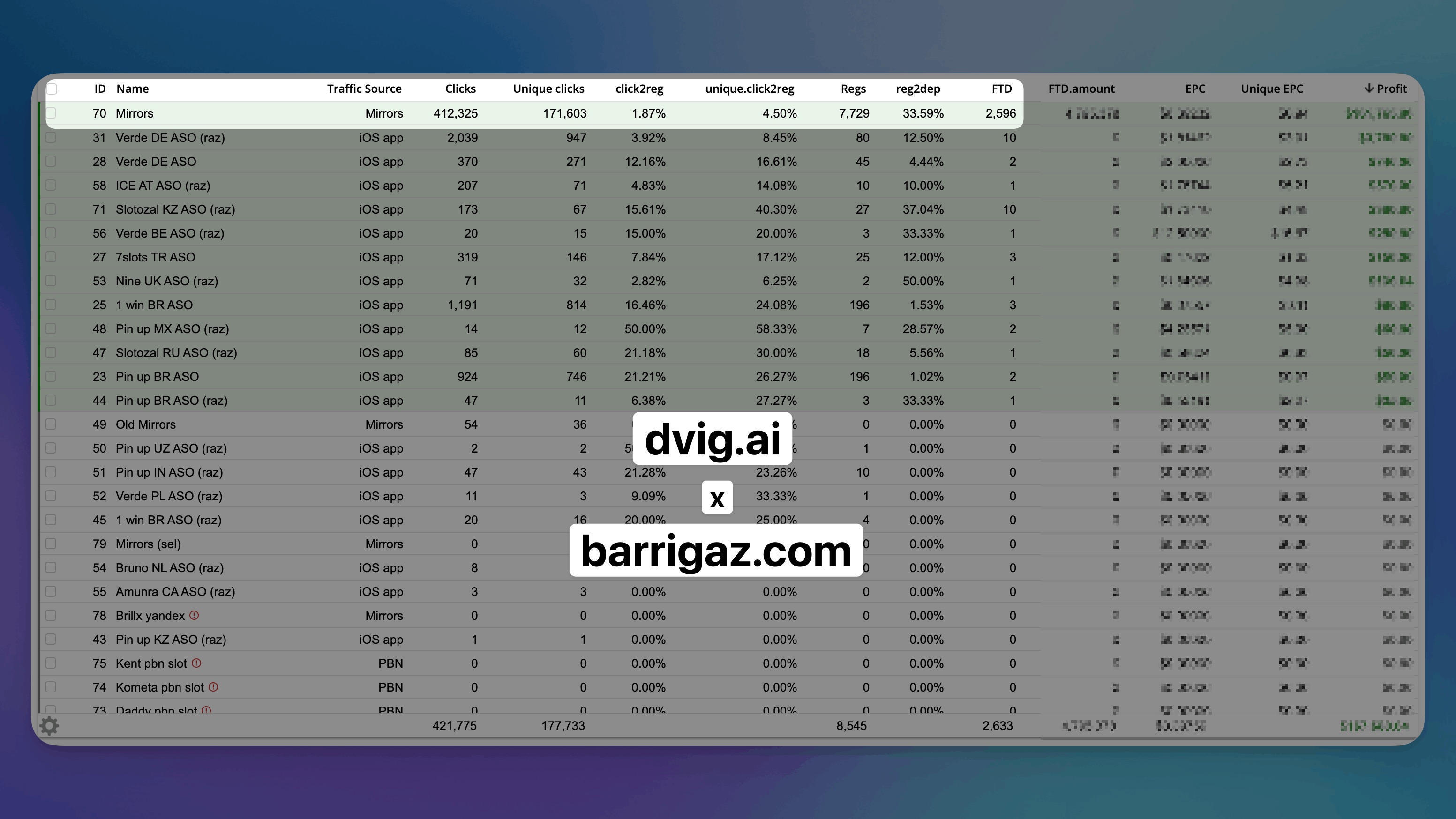
These numbers did not materialize overnight. Reaching this level of output required months of groundwork, primarily in drop domain sourcing and network buildout. What this snapshot captures is the compounding effect of sustained, systematic execution.
Conversion by Brand
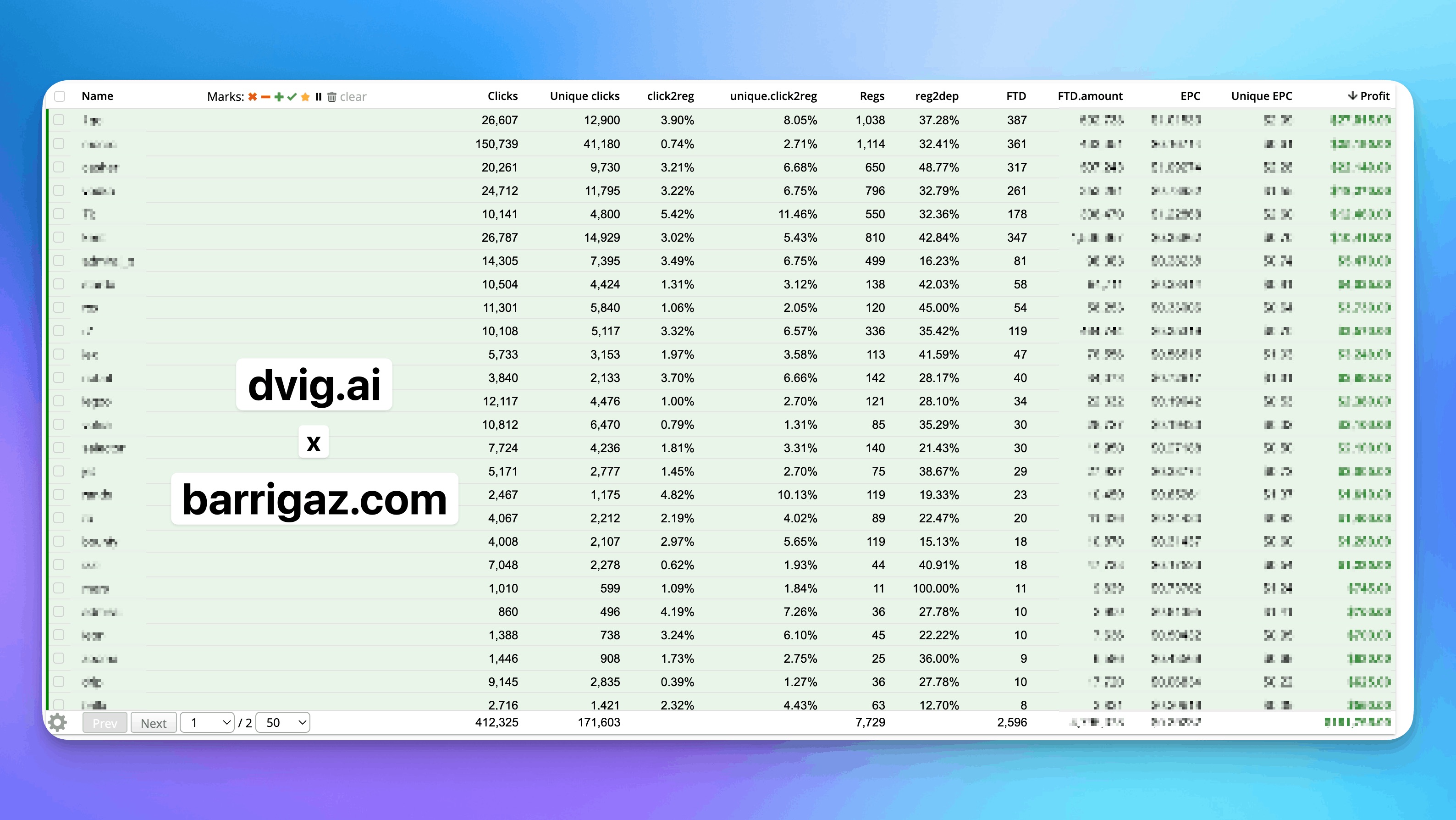
The campaign targeted 67 operator brands simultaneously. The per-brand breakdown reveals substantial variance in conversion performance, which is both expected and instructive. Conversion rates are shaped by multiple overlapping factors: the operator’s brand recognition in a given market, the density of competition on that branded query, where the specific mirror lands in the SERP, and the quality of the landing experience downstream.
Infrastructure and Automation
The operation spanned over 8,000 domains, divided into two functional layers. The mirror layer consisted of front-facing sites that ranked in search and captured traffic directly. The PBN layer provided the backlink authority that powered those rankings. Every link in the campaign was sourced internally, with no reliance on third-party link vendors.
The entire SEO lifecycle ran through dvig.ai’s automation stack. One nuance worth highlighting: the platform deliberately combines AI-driven agents with classical automation, deploying each where it performs best. AI agents excel at tasks requiring judgment and adaptation. Classical automation is more reliable and predictable for repeatable operational workflows. The platform’s architecture is designed around that distinction rather than treating the two as interchangeable.
Drop domain acquisition illustrates the impact clearly. What initially required a team of over 10 dedicated people was reduced, through iterative tooling improvements within the platform, to a single AI agent paired with one human SEO specialist responsible for strategy and edge-case acquisitions.
Site deployment, content generation, link placement, and rotation all ran with minimal manual intervention. For a detailed walkthrough of the platform’s modules in action, see the recorded demo on our YouTube channel.
SERP Position Dynamics
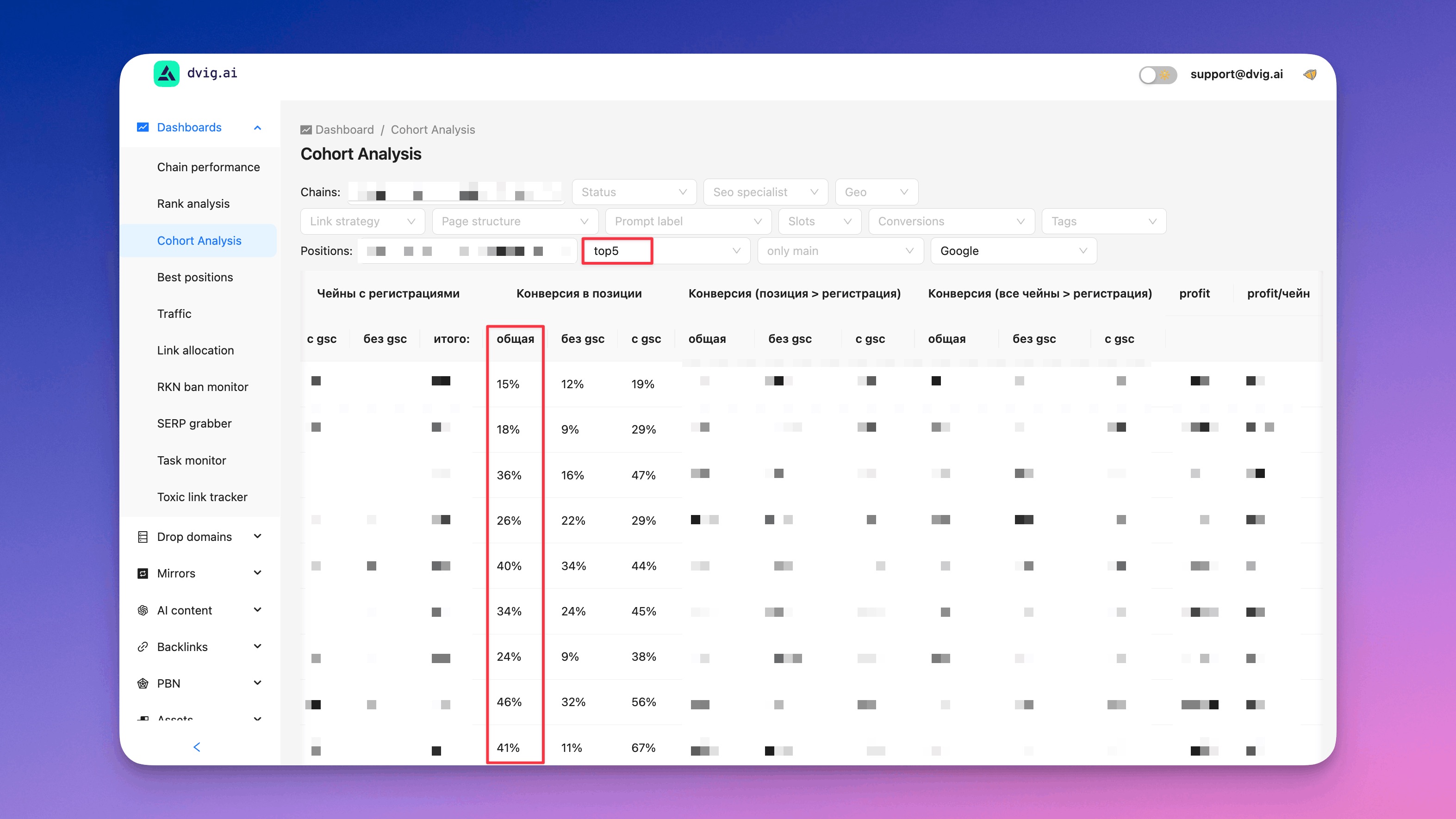
The platform tracks time-to-rank for every deployed site in a dedicated report. Across the full campaign, the average time from deployment to a top-10 position was 40 days. However, that average obscures considerable variance. A significant share of sites broke into the top 10 within days of going live and receiving their initial backlinks. The two primary variables were drop domain quality and the competitiveness of the target branded query.
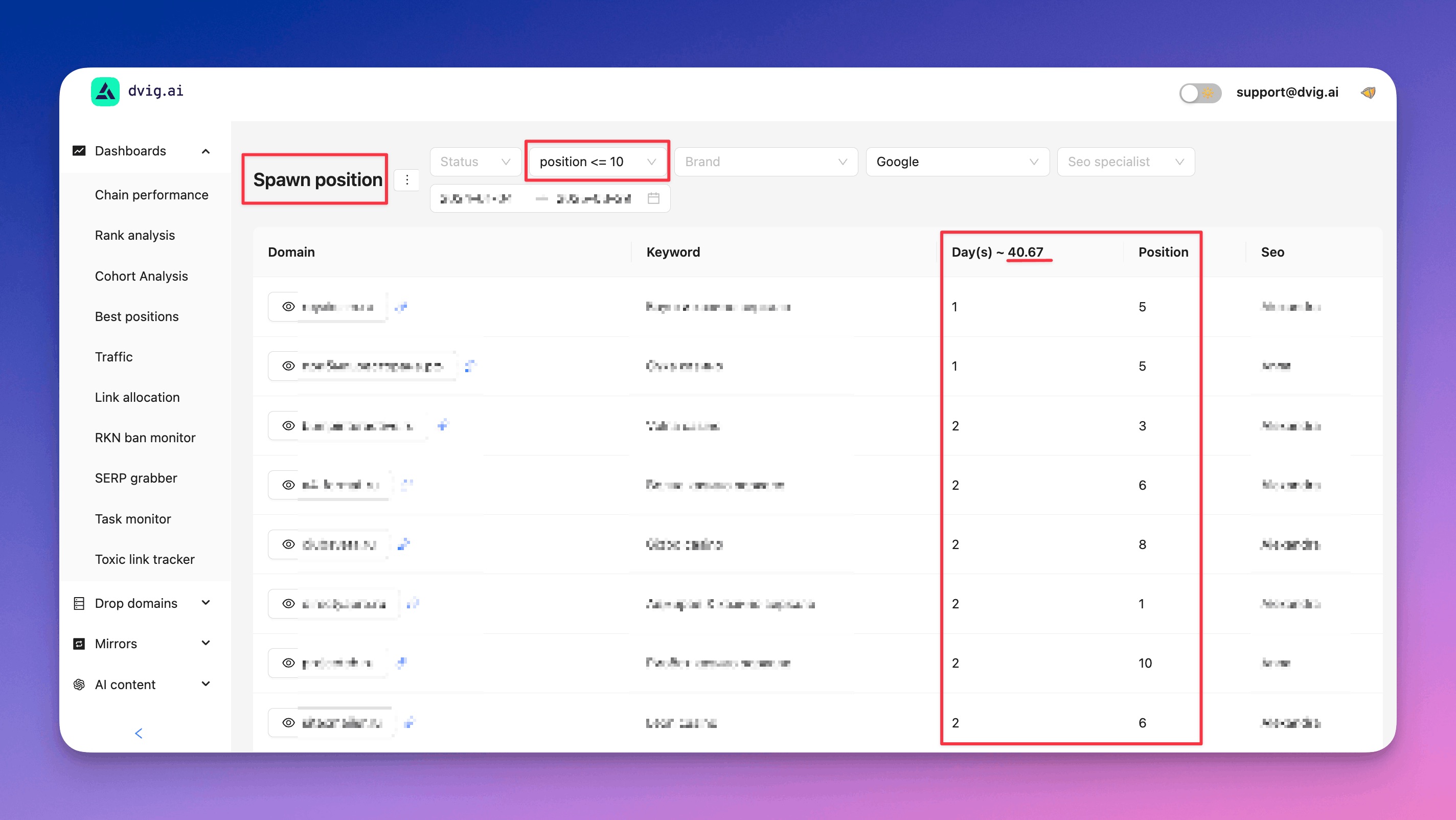
At a broader level, approximately 20% of deployed sites reached the top 5. To evaluate performance across different launch strategies, hypothesis variations, brand targets, and other parameters, the platform provides a cohort analysis dashboard. At this operational scale, granular, segmentable analytics is not optional. It is the mechanism that turns data into actionable strategy adjustments.
Competitor Reactions
Once a mirror network begins capturing material volumes of branded search traffic, operators take notice. Over the course of this campaign, the team encountered every common form of response.
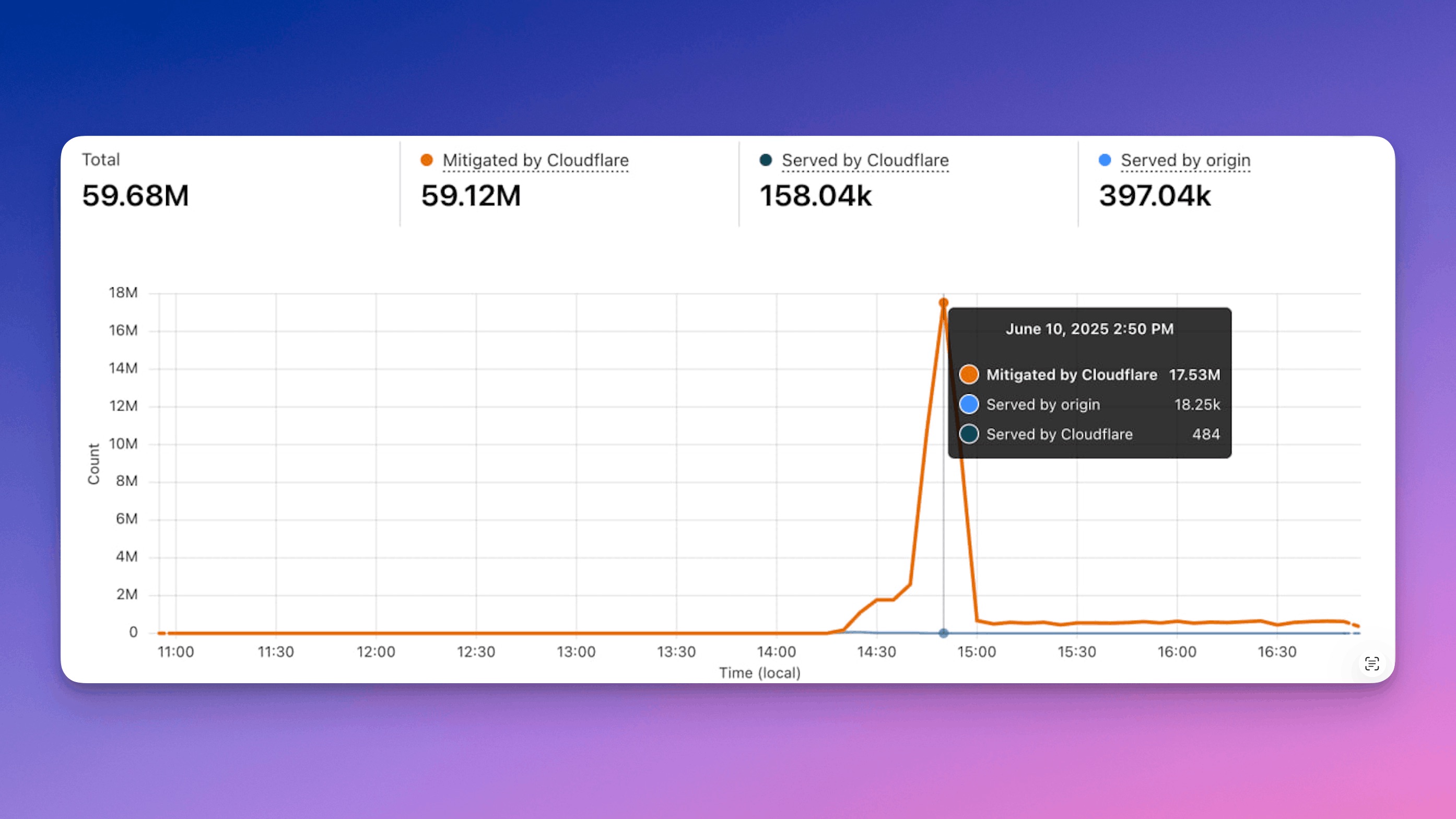
1. DDoS attacks. The most direct and aggressive countermeasure. Notably, several operators who initiated attacks later became clients.
2. Abuse and legal complaints. DMCA takedown requests, phishing reports, and other formal complaints. Their effectiveness is discussed in the conclusions below.
3. Negative SEO campaigns. Competitors directed toxic backlinks at mirror domains in an attempt to trigger algorithmic deindexation.
None of this is exceptional in iGaming SEO. It is the normal operating environment. The platform’s monitoring, alerting, and rapid-replacement workflows are specifically designed for this reality. Individual domains will go offline. The network, properly managed, keeps producing.
Mirror Rotation
Mirrors were rotated for two reasons: Google algorithmic filters and domain bans from national regulators. Google-side attrition followed predictable patterns, tracking normal search update cycles with no unusual penalties.
Regulatory bans were a different dynamic entirely. In this context, a “ban” refers to an ISP-level access block imposed by a national internet authority. The relevant agencies vary by jurisdiction:
- BTK (Turkey)
- CRTC (Canada)
- CNMC (Spain)
- Roskomnadzor / RKN (Russia)
- and others
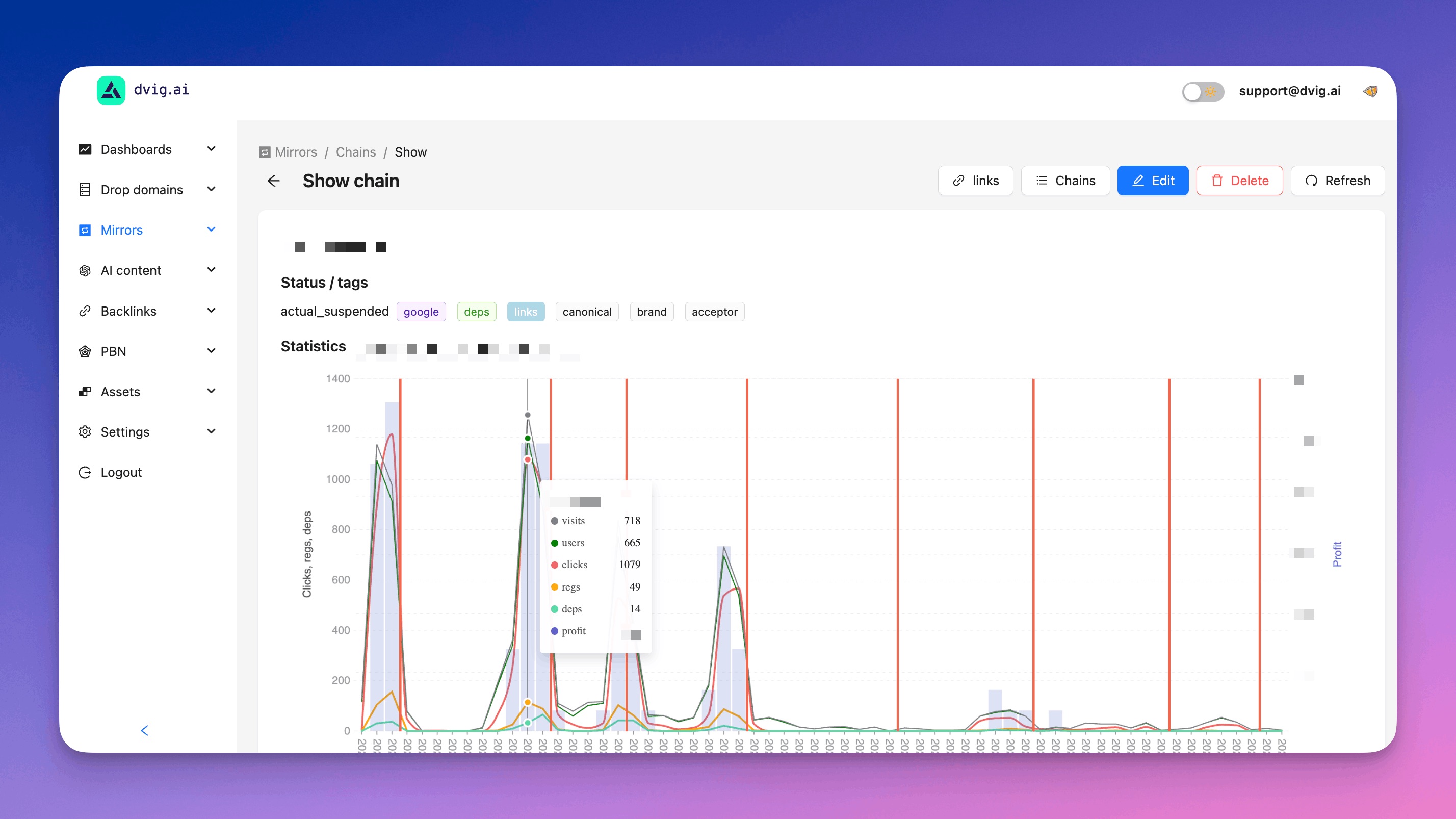
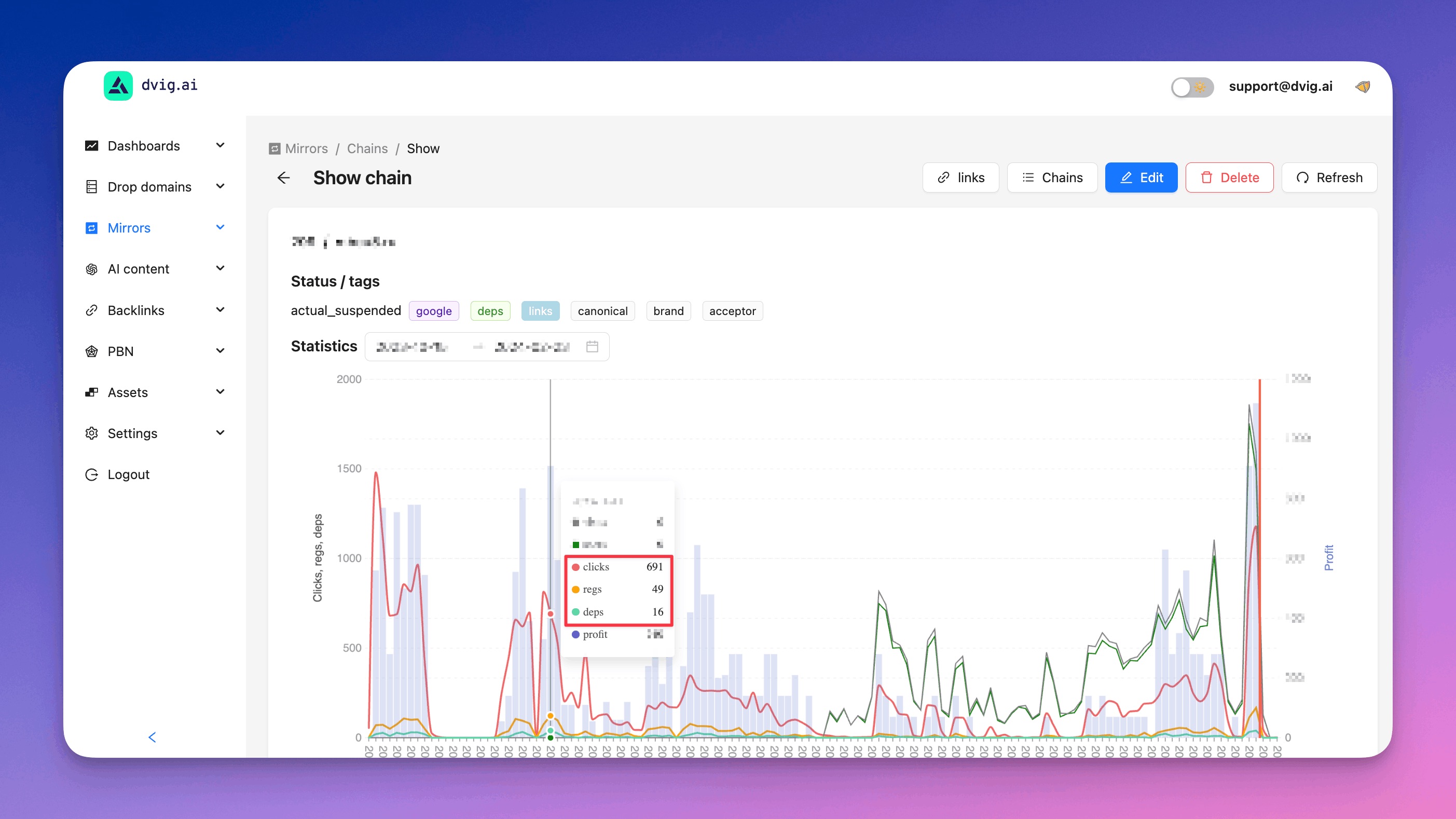
The speed at which bans were issued depended heavily on brand visibility. Mirrors targeting high-profile operators were sometimes blocked within days of reaching top positions. Others operated continuously for three months or longer. The platform’s ban detection and protection systems played a measurable role in extending mirror lifespans.
When a migration was necessary, the replacement domain typically appeared in search results within 5 to 7 days. The screenshots below, pulled from the platform’s site management module, illustrate both the ban dynamics and the effectiveness of the migration process. The vertical red line on each chart marks the point of a domain migration.
Conclusions
1. At this scale, network size is the primary determinant of traffic stability. A single mirror site is fragile by definition. A network of 8,000+ domains, supported by purpose-built infrastructure, is a resilient and manageable asset.
2. Disruptions are a constant, not an exception. DDoS attacks, legal complaints, regulatory bans, and negative SEO campaigns are baked into the operating model. The relevant question is not whether they will occur but whether your infrastructure continues to deliver when they do.
3. Automation is not an efficiency play. It is a viability requirement. Managing 8,000+ domains across 67 brands with continuous rotation is not a staffing problem with a staffing solution. Without platform-level automation, this operational model simply does not function.
4. Legal instruments alone cannot defend branded search traffic. Operators relying exclusively on DMCA filings and legal action to protect their branded queries should expect mixed results. Enforcement effectiveness varies dramatically by jurisdiction. In some markets it is a genuine deterrent; in others it has no practical impact. Any brand protection strategy needs to account for that reality.
For a more interactive look at the campaign data, we recorded a short walkthrough directly from the tracking interface: https://youtu.be/jb3VyrJJS8M.
A note on competitive dynamics: organic search is an open field. The operators who invest in defending their brand presence from day one are the ones who retain it. Those who do not may find that someone else’s infrastructure is already converting their branded demand.